




Hey, Congress, stop putting a price tag on our health and well-being.

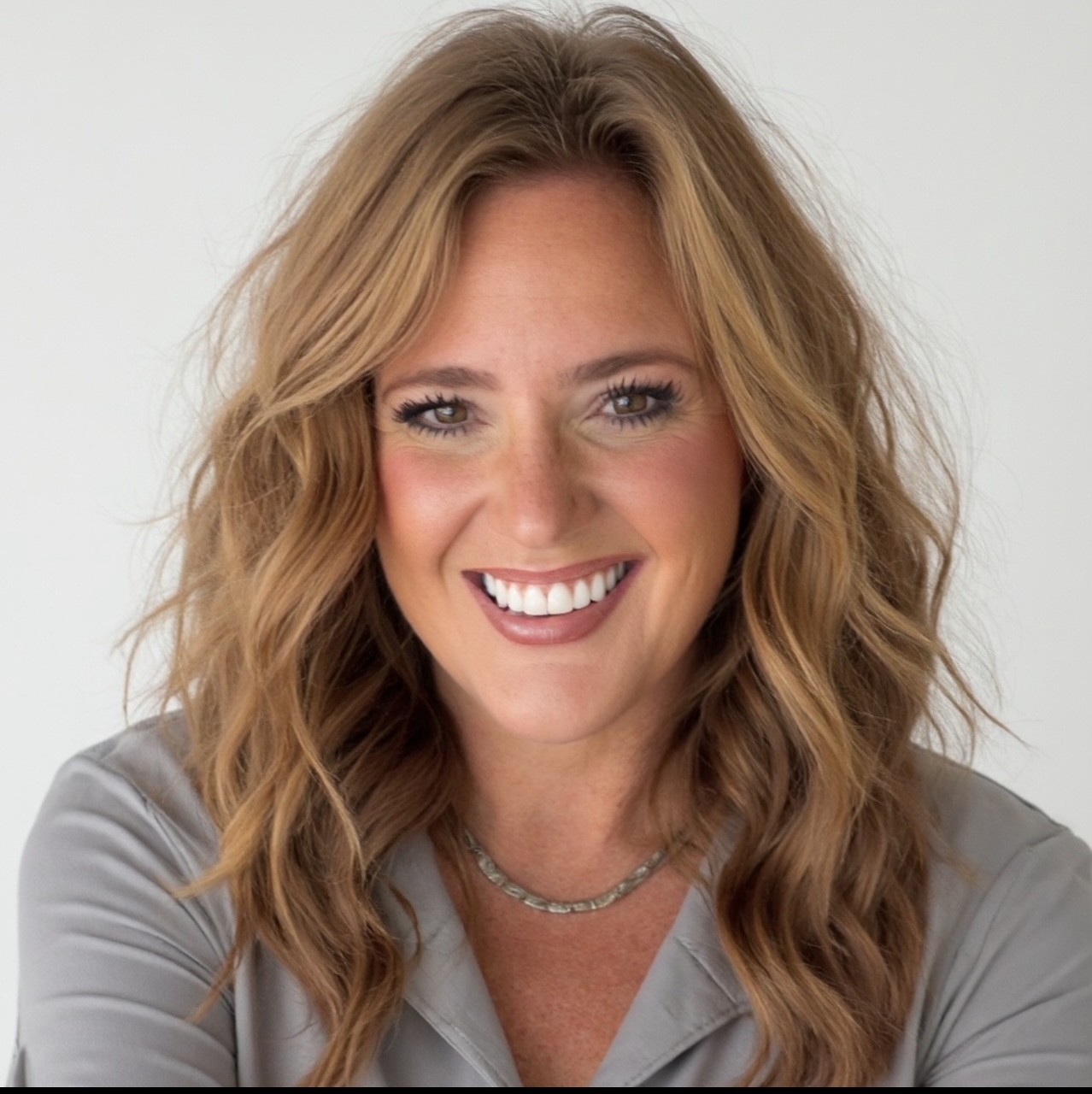
Lacy Marshall’s journey through the health care system began the day her young daughter endured a 12-minute grand mal seizure. “She was taken by ambulance to the doctor, and we were kind of warned a little bit we should prepare ourselves for the fact that this could actually be a mass in her brain because of how significant and how long the first seizure was.” Working with a doctor in Longview, Texas, Lacy’s family was referred to a neurologist at Texas Children’s in Dallas. Within two weeks, specialists determined that her daughter’s seizures were caused by a misfire on the left side of her brain every seven to twelve seconds, diagnosing her with epilepsy.
At first, her employer’s insurance covered their care, but then, without Lacy realizing, the company changed plans. “Now, all of a sudden, our neurologist who was in network is no longer in network. So, we lost access,” she shared. Lacy turned to the Affordable Care Act to find coverage on her own, but faced trouble navigating the application process. While trying to sort out the insurance issue, her daughter needed an MRI. “We went to Dallas Children’s, and they said, we need you to do an MRI, and your insurance is not going to approve it. And so, we need you to pay $2,500.” Lacy recalled having to borrow gas money from her grandmother just to get home after paying the bill. “They’re just force-feeding this $2,500 imaging bill down your throat and telling you this is your only option.”
That experience pushed her toward advocacy. “What I learned is there are other avenues that you can do to get this health care, but because of the trickiness and because of the backdoor deals that are made, they’re not telling you that you can go to a standalone imaging center.” Lacy’s family later discovered they owed back every dollar of their ACA subsidy because of an income miscalculation. “Every single turn we took, even though now I know there was a better way, we’re so undereducated on our own health care system that we don’t understand what we’re voting for or the changes that we’re asking for.”
Lacy became determined to educate others about how the system works. “Yes, I am also an insurance broker, but I like to broker health insurance from the standpoint of, if you partner it with education, it can be a hugely helpful tool.” She described how families are often blindsided by hospital billing. “People go in, and they pay that $2,500 thinking that they’re done. And then they have all these additional bills that are trickling in from radiologists.”
Lacy’s family stayed with their trusted doctor by paying out of pocket. “Because of our wonderful physician who worked so hard against his own medical department, against his own billing department to keep us there, we ended up having to pay cash for the rest of our visits with him to keep him as a doctor,” she said. But their struggles with the system did not end there. Years later, a missed radiology bill surfaced and damaged their credit while they were buying a home. “We ended up having to go and pay that bill off that we never even received before we could get our home loan.”
Reflecting on how these experiences shaped her, Lacy said, “People are choosing, do I keep my light bill on? Or do I go follow up with this MRI?” She wants lawmakers to take accountability for a system that burdens families. “Hey, Congress, stop putting a price tag on our health and well-being … stop letting big pharma and big corporation hospitals suck the country dry.” She urges them to take meaningful action. “If you put policies in place, stand behind them. Stop making it just lip service and give us some sort of action to take when they’re breaking the laws.”
Add your voice to help us continue to push for the best health and health care for all.
SHARE YOUR STORY