



If we had let our insurance lapse, if it had been ten days later that his car accident had happened, we would have been in a hole that we could never, ever get out of. We would have lost our house. I’m sure of it.

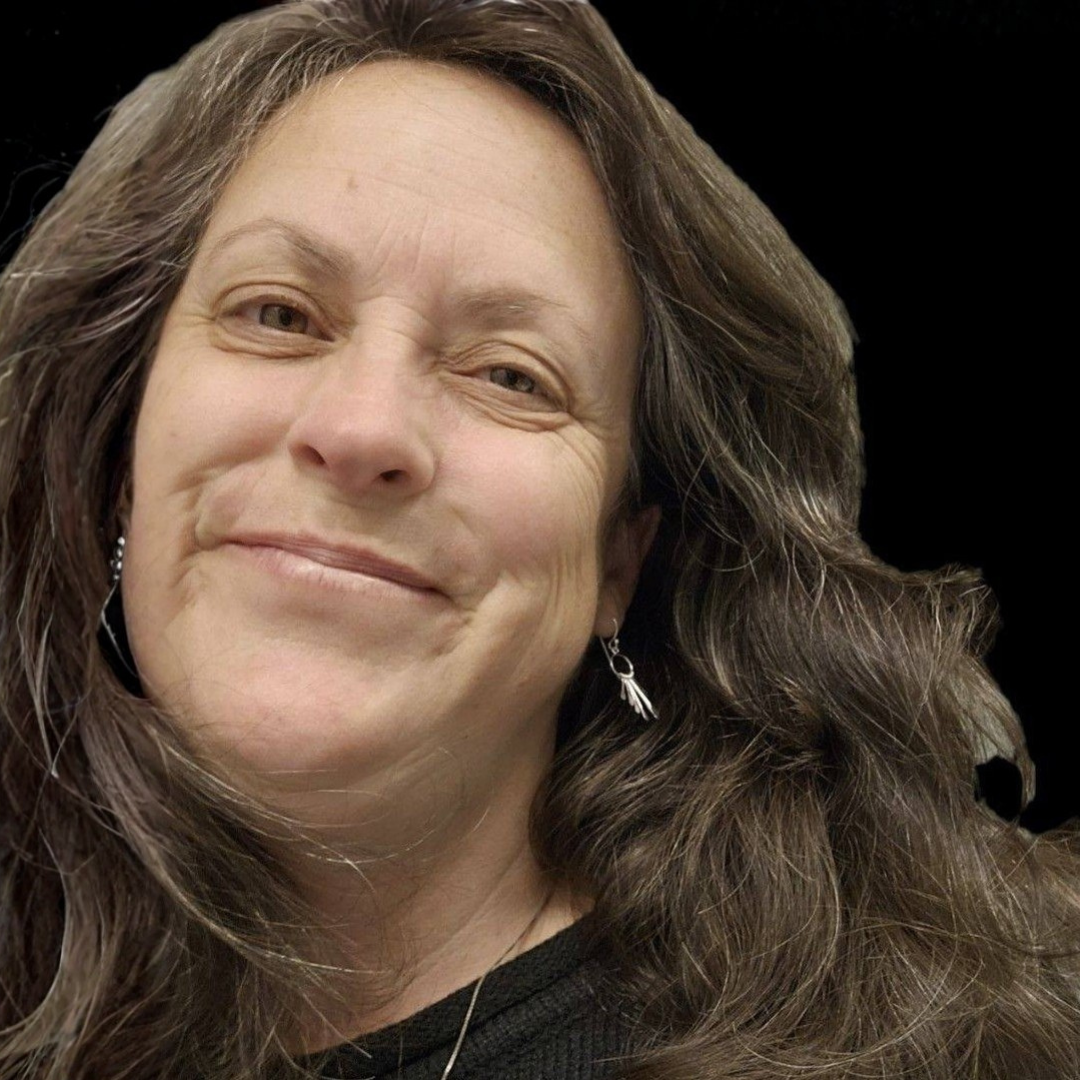
Lori Lay and her husband have lived in Pittsboro, North Carolina, where they have spent 30 years in this community raising three children and running two small businesses. Lori owns a childcare center, and her husband runs a landscaping company. Like millions of self-employed families, they rely on the Affordable Care Act (ACA) Marketplace for their health coverage.
Each year since the ACA was implemented, their family has been able to receive more help to stay insured. “The first year the ACA came out, we didn’t qualify for the upfront tax credit. The second year we did, but it wasn’t a lot. And then every year after that we qualified for more, and that helped so, so much.”
Unfortunately, even with tax credits, coverage remained expensive. When her children were in high school, Lori recalls that her health insurance premiums consumed nearly half of her income. “I was distraught and thought, okay, we’re just not going to get insurance this year,” she said. “The plan was to let it lapse December 31st.”
Then, just ten days before their coverage would have ended, her son was in a devastating car accident. “It crushed his pelvis, tore his urethra, exploded his spleen,” Lori said. “He couldn’t walk. He couldn’t bathe himself. He couldn’t feed himself.” Lori stopped working for a month to care for him during his recovery.
That experience underscored just how close her family came to financial ruin. “If we had let our insurance lapse, if it had been ten days later that his car accident had happened, we would have been in a hole that we could never, ever get out of,” she said. “We would have lost our house. I’m sure of it.”
Today, health care costs continue to rise, particularly for workers in industries like childcare, where employer-sponsored insurance is rare. Despite the essential role childcare providers play in keeping the economy running, Lori says the industry is built on razor-thin margins. “If I can’t provide childcare, you can’t go to work,” she explained. “And if you can’t go to work, the economy doesn’t work. People choose to work in Early Childhood Education because they care about it. Nobody does it for the money.”
Lori says that the students’ tuition covers everything. This model is difficult because it does not allow flexibility to provide a competitive salary or benefits for her staff. “If we raise tuition in order to pay teachers a living wage, much less give them health insurance, vision insurance, dental insurance, those types of things, you have to raise the tuition on the parents.”
Lori feels these tradeoffs personally as well. “I went to the dentist today, and [the bill] is going to be $18,000… I have to sacrifice my teeth or my house or my food.”
She is especially worried about the expiration of enhanced ACA tax credits, which have made coverage affordable for her family. Without them, her monthly premium would jump from $300 to $1,900. “I think people are afraid to do anything right now,” Lori said, explaining that many are putting off doctor visits, prescriptions, and even preventive care because they simply can’t afford the cost. “Regular working-class people are just trying to afford their medicine or see a doctor for whatever comes with being human.”
For Lori, the solution is clear. “People should be able to be healthy,” she said. “People should be able to work, buy food, and keep a roof over their heads.” She urges Congress to act to protect affordable health coverage, adding, “It’s your responsibility to make sure we are taken care of.”
Add your voice to help us continue to push for the best health and health care for all.
SHARE YOUR STORY