



Teeth pain, I don’t wish upon anybody.

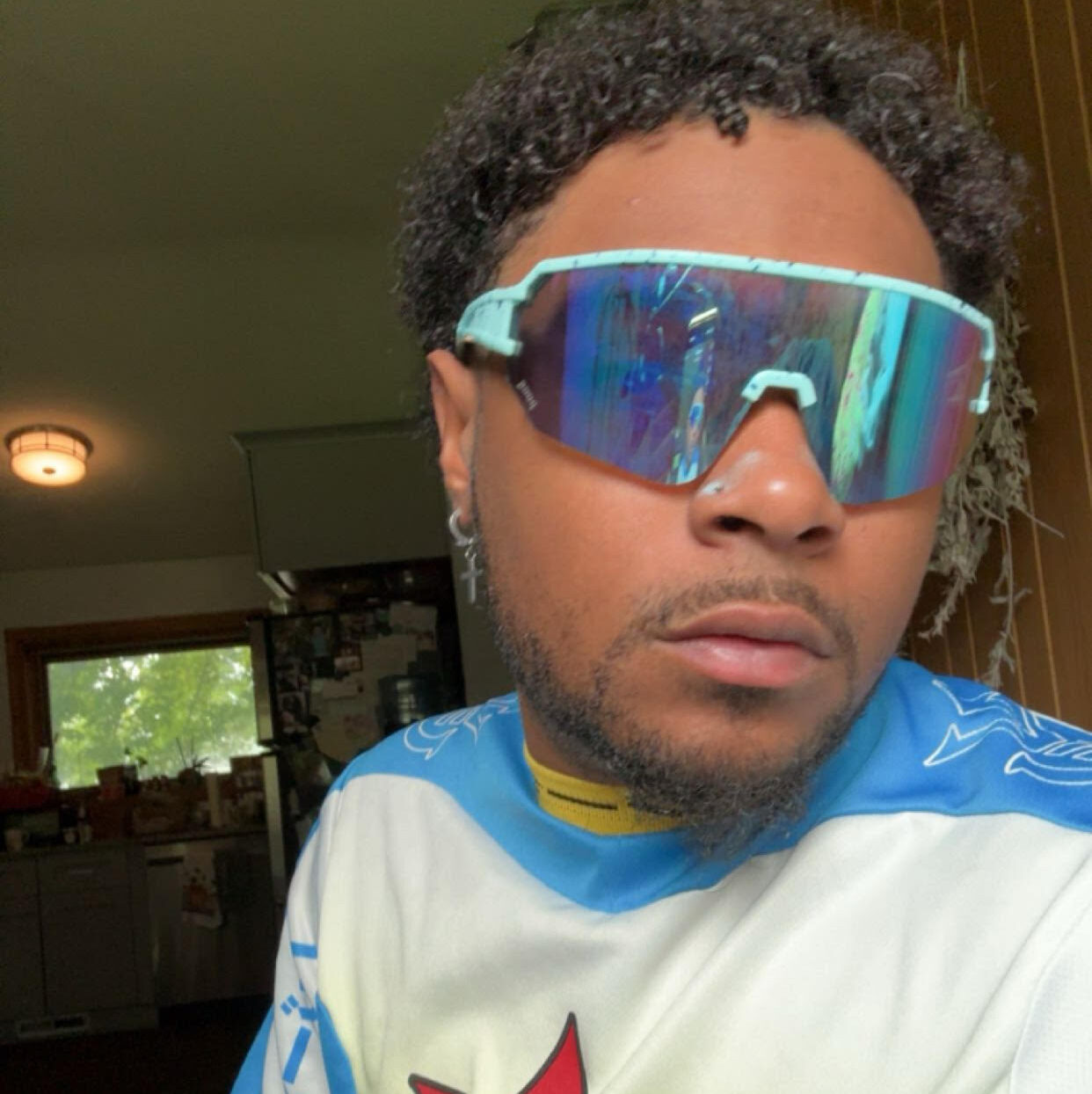
Lee Thompson has worked his entire adult life. At 28, he holds a full-time job in the food industry in Lancaster County, Nebraska, putting in the hours and navigating the unpredictability that comes with his line of work. On a really good week his biweekly paycheck might reach $800, but others it falls considerably short. No matter how many hours he works, Lee’s employer offers no health benefits, making his Medicaid coverage essential, “Medicaid is a big thing for me,” he said.
Lee’s health issues are centered largely on his oral health. Dental care has been a persistent and painful struggle, one that has tested not just Lee’s physical wellbeing but his trust in a system that has too often let him down. His experiences accessing care as someone who utilizes Medicaid often leave Lee feeling dismissed by providers and like his care is not being taken seriously.
Walking into an appointment and having a provider learn he has Medicaid, he said, changes the interaction. “As soon as they see you with Medicaid, then boom — just get the job done, I guess.” Not every provider treats him that way, he is careful to note, but the pattern is familiar enough to sting.
Lee described his dental pain, sharing, “I couldn’t eat. I was having migraines to the point where I had to sit in a room and just hold myself. It was that painful. Felt it in my gums and everything.” It took this level of excruciating pain for Lee to get an appointment. ” I had to almost beg them to get a just a date in,” he said.
When Lee finally got on the calendar, he also discovered that his Medicaid coverage had an annual dental cap of around $700. His procedure cost more than that, and he paid the difference out of pocket.
The root canal required multiple appointments spread across weeks. The final step — a crown to complete the dental work — never happened, leaving the procedure unfinished to this day.
Lee occasionally develops painful infections in his gum that swell up, disrupt his sleep and make it impossible to chew on one side of his mouth. More than once, the pain has driven him to the emergency room for antibiotics. “Teeth pain, I don’t wish upon anybody,” he said.
The only dental provider Lee has been able to find that accepts his Medicaid is the University of Nebraska-Lincoln’s dental college, where students perform procedures under faculty supervision. He is grateful for the access, but frank about what the experience is like. “Those are college kids basically using us as guinea pigs,” he said. “I’ll take whatever I can get that’s going to work right for my type of health care I got, but at the end of the day, it’s like — some of them are good, some of them are not.”
Beyond the dental challenges, Lee faces a broader uncertainty that has followed him since Nebraska began rolling out Medicaid work requirements. He received the state’s letter about the new criteria and found it deeply confusing. His income fluctuates week to week depending on labor demands in his industry. “If I don’t make enough income, or if I make too much income, then they want us to meet right between this, whatever number they put — it makes no sense,” he said. The idea that earning too many hours in a good week could potentially jeopardize his coverage, while earning too few could also put him at risk, left him feeling trapped in an impossible standard. “It’s weird where they put their standards. It’s very just unknowing, but I try to meet it.”
Lee’s experience reflects a reality that is common among Medicaid enrollees who work in hourly, variable jobs without employer-sponsored benefits. He is doing everything right, working hard, paying taxes, showing up, and still finds himself scrambling.
For Lee, Medicaid is not a preference or a convenience. It is the difference between having any access to health care and having nothing. He is working full time and doing his best to navigate a system that was already complicated before the new red tape from HR1. His message to policymakers is straightforward. “I just think when it comes to Medicaid, they need to be more serious about it. That’s it. Not a lot of us have benefits or health care or anything like that, or bucks to spend on extra wellness.”
Add your voice to help us continue to push for the best health and health care for all.
SHARE YOUR STORY