


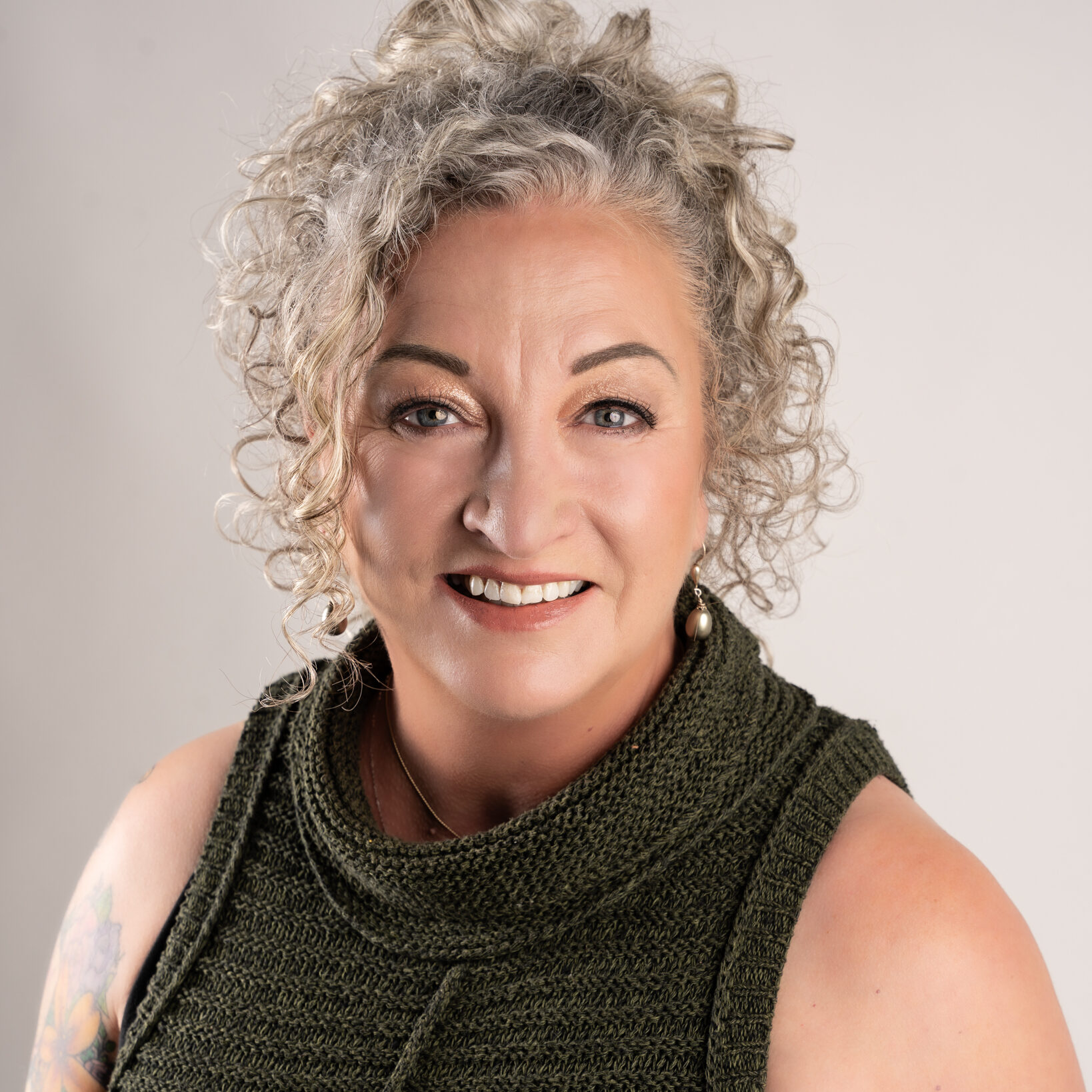
Joyce Clark Turner is currently living in Salt Lake City, Utah and training at the University of Utah to be an advocate for those with mental health challenges. She has worked multiple careers throughout her life and has experience navigating the health care system as both an employer and an employee. Along with this, she was on Medicaid while recovering from an alcohol use disorder. “I went through a period of a lot of trauma that took me to alcohol as my solution for all of the chaos in my life, so I’ve really gotten to know the health insurance industry fairly well,” she shared.
Joyce added, “I went through a few cycles just trying to get on my feet and navigating insurance while in that state of mind was really interesting.” She was first in need of insurance around 2014 when the Affordable Care Act was implemented. This coverage was extremely vital for her during her recovery. Joyce credits the staff at her recovery facilities with helping her navigate the enrollment process, sharing, “When I was in that really deep, dark phase, they were the ones that helped me find resources to afford the help I needed.”
Despite these services, she has faced barriers to care. “The last time I was in rehab, it became a bit of a challenge because the insurance companies were very limited on how much they would provide for rehab. They covered 11 days, and I knew that wouldn’t be enough, I ended up self-paying for another four or five [days] just to get stabilized. And then from that point on, I managed to remain alcohol-free and move on with life.”
Joyce is currently enrolled in the Utah Medicaid State Plan. While it was “quite a learning curve at first,” Joyce has been able to tailor a plan to her needs. “It seems to be a really generous program. It’s the first time I’ve never had to pay a deductible for medications, for example,” she said. “It was a bit of a challenge to find doctors because I’m pretty picky about who I go to. I know I advocate for myself fairly strongly when it comes to both mental and physical health,” she explained.
Joyce had to learn these advocacy skills while going through her recovery. “I have had several doctors who went straight to shame rather than trying to understand or help me find solutions,” she said. Through these experiences, Joyce has learned that addiction is a very misunderstood health issue. She added, “We just need a lot more education, acceptance, empathy, and services. I think the addiction support system in general needs a lot of work.”
Unfortunately, the cuts to Medicaid could severely limit treatment options for people battling addiction. “It’s hard enough financially and insurance-wise for people who are struggling with any kind of mental health issue,” she shared. She’s concerned that without coverage, many people will stop seeking help. “I just worry about all the people who won’t even think about reaching out because there’s no support structure there anymore,” she said.
These changes go beyond mental health and addiction treatment. “I’m extremely concerned for everybody who is on Medicaid and depends on it,” she shared. “I’m concerned about how this is going to impact rural communities and Americans in general. Just the thought of potentially losing what little support is out there, I think it will make people way more reluctant to access help,” she said.
Joyce emphasizes that “health care is a human right, not a privilege for those who can pay for it.”
Add your voice to help us continue to push for the best health and health care for all.
SHARE YOUR STORY