



It has nothing to do with you, but it has everything to do with the next person… That is someone else’s life, that is someone else’s physical health, that is someone else’s well-being, their mental state, that is someone who has diabetes, that is someone who has cancer. That is someone… Do better and care about others.

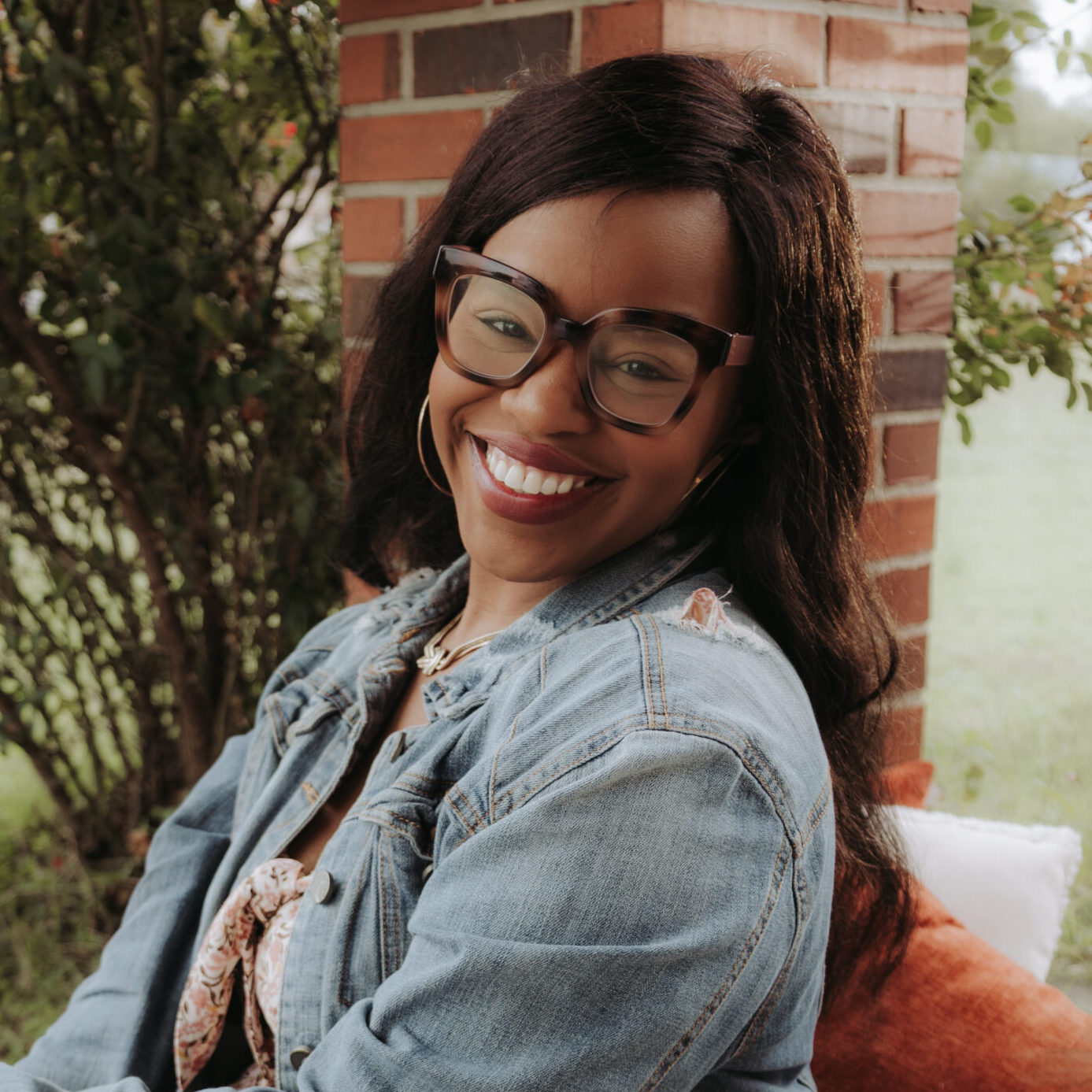
Hillary Harris lives in Sikeston, Missouri with her three daughters, who are all under the age of ten. Medicaid has been absolutely crucial in providing her and her family what they need to stay safe and healthy, both mentally and physically. “My connection to Medicaid goes deeper than just it being insurance,” she shared.
Medicaid has covered the medication and treatment that Hillary needed for her mental health, especially after the birth of her children she explained, “I dealt with postpartum depression after birthing my third child, juggling a divorce, and a new phase of life. Medicaid ensured that I had the correct medicine and therapy that I myself needed,” adding, “I am currently diagnosed with ADHD. Medicaid provides my medication that I need to help me thrive and be my best self, not only for myself, but for my children.”
In her opinion, the most important service that Medicaid has provided to her family is the therapy her daughter required after a traumatic experience. “Medicaid ensured that I had everything I needed in place to put my daughter in therapy at the age of five,” she said. Hillary knew how crucial it was for her daughter to have access to treatment early in her life in order to be set up for a healthy future, “Just knowing in that moment that she was going to be okay because she had someone licensed who could help her step by step, and that’s something that could affect her into adulthood is the biggest thing I’m grateful for.” Along with therapy, her children suffer with allergies, one being diagnosed with Asthma. Medicaid covers more than medicine, as it also covers bedding as well designed to help people with asthmatic flare ups.
In addition to getting her family’s coverage though Medicaid, Hillary used to work for the state, helping enroll others in Medicaid coverage. She saw firsthand how difficult it can be to connect people with the services they need. Frustrated by the stigmas associated with Medicaid beneficiaries, she shared, “It’s not that people are taking advantage of the system, [or] people aren’t doing what they need to do. It’s people actively trying… it is people like me, real people who are just trying to navigate life with what was thrown at them.”
Medicaid doesn’t only affect Hillary’s family. It helps support the health and stability of her rural community. “Medicaid is vital in my community, with my entire community,” she emphasized. The program funds critical transportation services for her and her neighbors. “They take you to and from your doctor’s appointments. My father drives for Medicaid. So, Medicaid is not just giving people health care. Medicaid is also providing people with jobs.”
Medicaid has also helped Hillary and her community, particularly other single mothers, access dental care. When Hillary had a cavity, she shared, “It got so bad to where my mouth was bleeding. I couldn’t sleep … I was in tremendous pain and if I wouldn’t have had Medicaid, it would have been coming out of pocket over $600 for simple dental care.”
Though Medicaid helps Hillary pay for services, she and her neighbors still struggle with long wait times due to the limited number of providers who are willing to accept the program. “We have one dentist here who takes Medicaid, I believe, and you are waiting six months out at a time.” Even when she rated her pain as a 10/10, Hilary shared the dentist, “was still going to try and schedule me at least four months out before removing my tooth.”
As Congress debates the future of Medicaid, Hillary encourages her elected officials to see Medicaid as a program that is about real human beings, not money. “Regardless of your empathy and if you have it or if you can’t find it, it’s not about you. It has nothing to do with you, but it has everything to do with the next person… That is someone else’s life, that is someone else’s physical health, that is someone else’s well-being, their mental state, that is someone who has diabetes, that is someone who has cancer. That is someone… Do better and care about others.”
Add your voice to help us continue to push for the best health and health care for all.
SHARE YOUR STORY