


The Program That’s Actually Lowering Drug Prices
02.09.2026
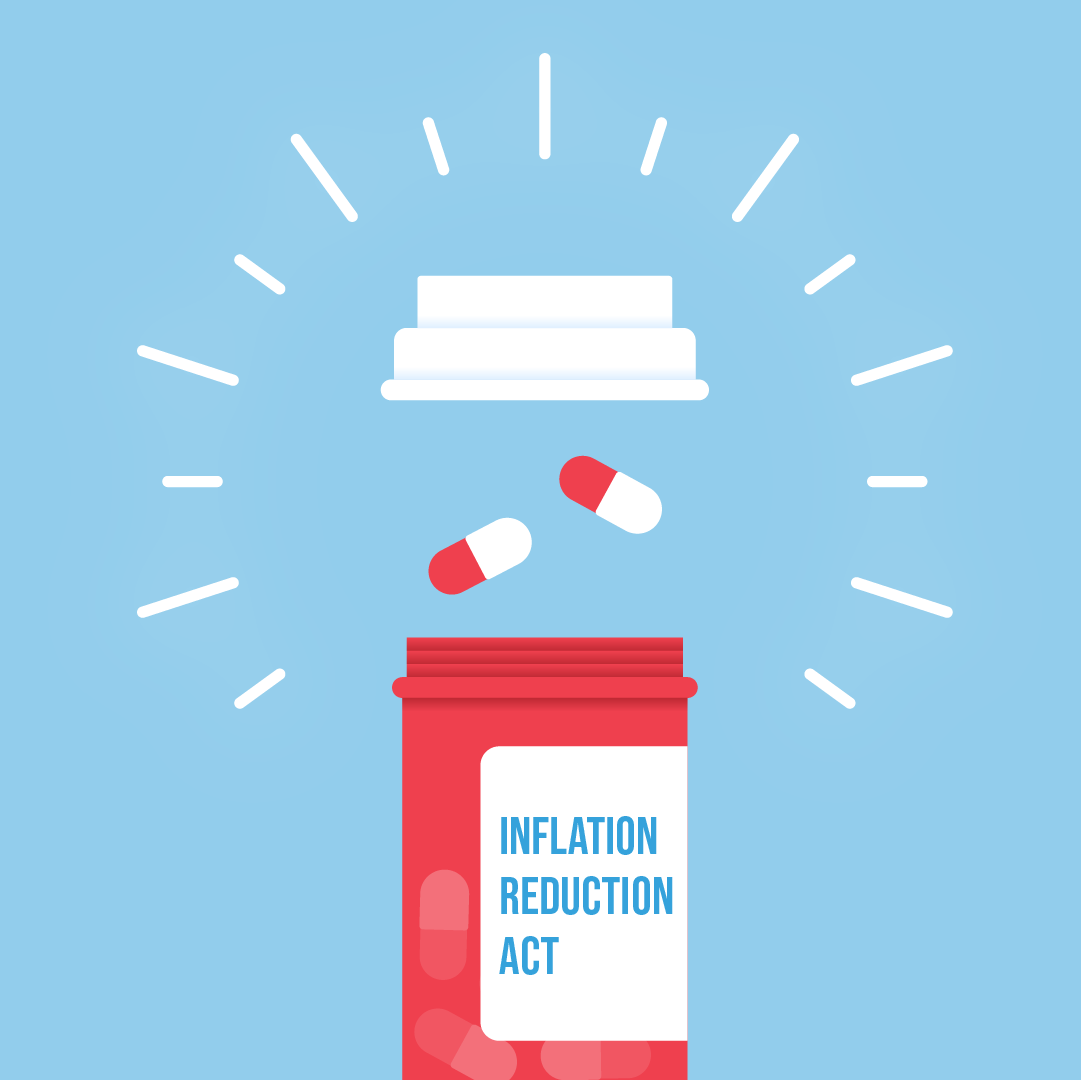
For decades, policymakers talked about lowering prescription drug prices — in 2022, Congress actually did something about it by passing the Inflation Reduction Act which gave Medicare, for the first time, the power to directly negotiate with drug companies. The IRA laid the foundation for a new pathway to affordable and accessible health care by addressing both the symptoms and root causes of high drug prices. This is more critical than ever as over 100 million people in the U.S. struggle with medical debt, and one third of Americans say that health care costs force them to cut back on basic needs like buying groceries and paying rent.
The impact of the IRA is real. On January 27, the Centers for Medicare and Medicaid Services (CMS) announced it selected the third round of drugs for negotiation, with new prices for 15 drugs set to take effect in January 2028. These drugs help older adults with diabetes, cancer, asthma, and more. Notably absent were two blockbuster drugs that cost the Medicare program billions each year — Keytruda and Opdivo — which were not on this list due to changes made by Congressional Republicans and the President in 2025’s H.R.1. Despite these ongoing attempts to undermine the program, it is continuing to prove that systemic reforms can provide critical savings to the government AND older adults at the pharmacy counter.
To date, CMS has successfully negotiated 25 high-cost drugs under the Medicare Drug Price Negotiation Program, with lower prices for the first 10 drugs in effect as of January. The first 25 drugs negotiated cumulatively accounted for nearly $100 billion in spending by Medicare and beneficiaries, and the new prices — ranging from 38% to 85% lower than the list price — combined with the new $2,000 annual out-of-pocket cap, will save Medicare beneficiaries alone over $2 billion in costs at the pharmacy counter.
This is what actually lowering drug prices looks like: clear, enforceable standards, and real savings for real people.
That success stands in sharp contrast to the Trump administration’s claims that it is lowering drug prices through vague, behind-closed-doors “deals” with big drug companies. These announcements — light on details, heavy on rhetoric — offer no clear enforcement mechanism to ensure families actually see lower prices at the pharmacy. Handshake agreements without transparency, accountability, or enforcement are no substitute for systemic reform.
Some reforms are already going into place, such as TrumpRx, and are failing to lower people’s prescription costs, particularly for those with insurance. It remains to be seen if other actions will actually provide meaningful savings for families or are merely the administration taking a victory lap before the results become clear. We’ll be watching and ready to help families understand the difference.
The last year was defined by voter concerns around affordability, and a majority of voters agree that lowering health care costs is the most important issue Congress and the President can address. The Medicare Drug Price Negotiation Program and other reforms in the Inflation Reduction Act have shown a clear path forward — not just for lowering prescription drug prices, but for tackling high hospital costs and other root causes of high costs across our health care system.
It is up to us to ensure that these reforms are the first step of many. To fully take on corporate abuses across the health system, Congress must build on this progress and advance the reforms outlined in our affordability agenda. Families can’t afford half-measures, and they cannot rely on PR announcements. They need real solutions — and we now have the proof that real policy solutions work.
related content
The Program That’s Actually Lowering Drug Prices
2.09.26 / Insights Column


What Americans Really Want for the Holidays This Year
12.23.25 / Insights Column
12.02.25 / Insights Column