



We already are fighting for our life, so we don’t also need to fight to stay financially stable.

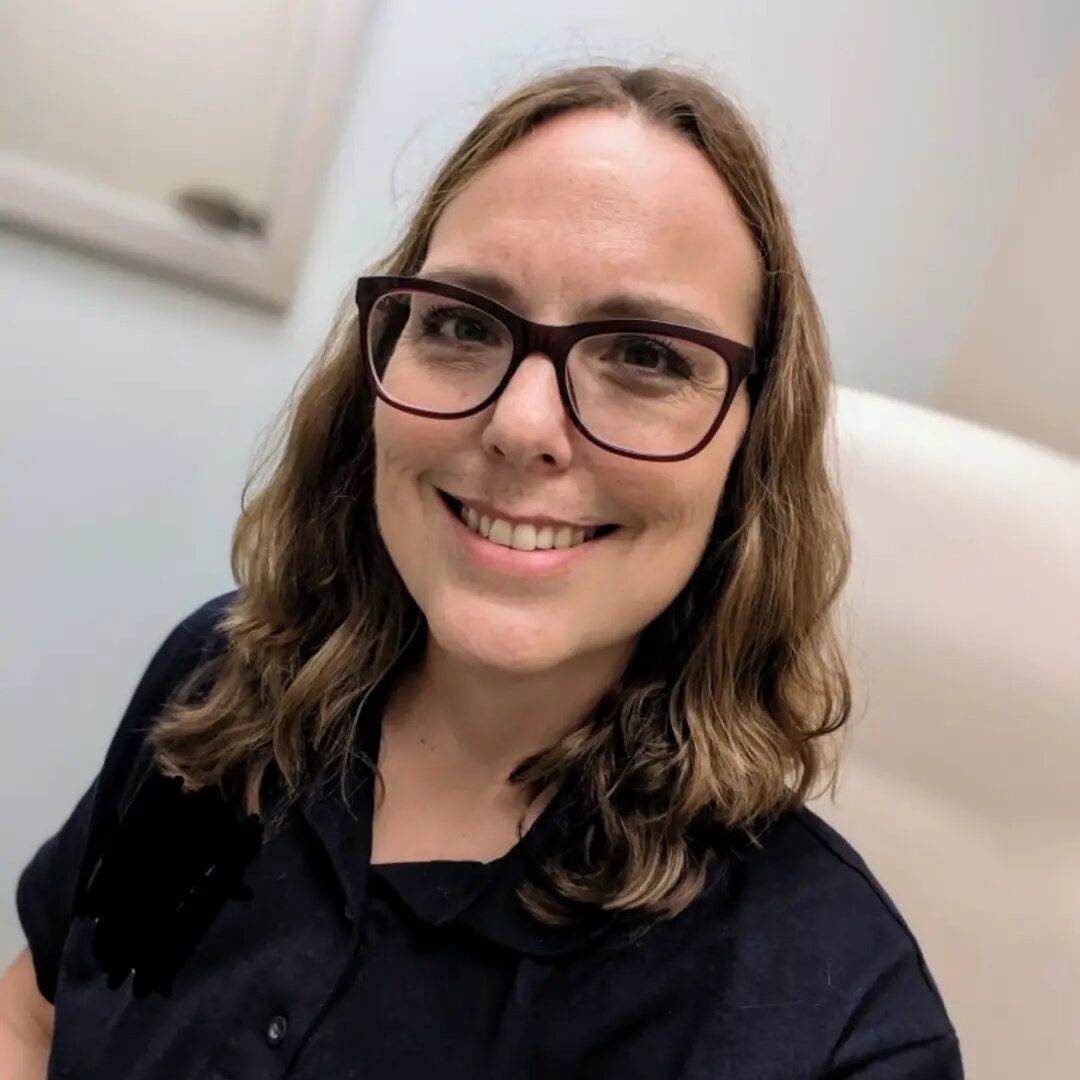
When Jen Jobe was diagnosed with stage 4 colon cancer at age 38, her focus was survival. She did not expect that years after treatment ended, she would still be fighting the financial consequences of staying alive.
Through her job as a teacher in Houston, Texas, Jen has employer-sponsored health insurance. Before her diagnosis, she chose a high-deductible health plan because it had lower monthly premiums. “I knew I was in a high deductible plan because it was cheaper, but I wasn’t worried because I was never sick.”
After her cancer diagnosis, the plan left her responsible for thousands of dollars in medical bills each year before reaching her annual out-of-pocket maximum of $8,500. The cost of a single chemotherapy treatment was enough for her to reach that limit. “My medical bills started piling up.” Since her diagnosis in 2021, Jen estimates she has incurred about $40,000 in out-of-pocket costs for her cancer care despite having health insurance.
Since her diagnosis, Jen has undergone surgery, chemotherapy, radiation, and years of follow-up care after her cancer returned. Throughout treatment, she continued working as a teacher. Today, she has no evidence of disease, but she continues to need regular scans and follow-up care every three months. “With my reoccurring scans, my medical bills are never going to stop.”
For Jen, treatment was never a choice. Without it, she would not have survived. “I didn’t choose this. This isn’t something that just goes away. Treatment is insanely expensive and there’s literally no other option except dying.”
To help manage the costs of her care, Jen relied on money from student loans while earning her master’s degree and a GoFundMe campaign organized by a friend after her diagnosis. Those resources helped with immediate expenses, but they were not a long-term solution. She also received financial assistance through a program at MD Anderson that covered approximately $12,000 to $15,000 of the cost of one medication. She says that support prevented her medical debt from becoming even more overwhelming.
When her cancer returned and she learned she would need to restart chemotherapy and remain on maintenance treatment, Jen realized the financial burden was not temporary. “That’s when I knew I would always have medical debt.” Today, she owes about $4,000 in medical debt that has been sent to collections, and she pays what she can each month. But because she continues to need follow-up care and her employer’s health plan resets every September, new out-of-pocket costs continue to accumulate.
Years after her diagnosis, Jen expects medical debt to remain part of her life. “I’ve resigned myself to knowing I’ll always have medical debt. I send in small payments just so no one can say I didn’t pay anything. When my insurance is charged $30,000+ each chemo treatment, you’re always going to owe.”
Looking back, Jen also wonders whether earlier access to colorectal cancer screening could have changed her diagnosis. After everything she has endured, she believes more people should have access to preventive screenings that can detect cancer earlier, before it becomes life-threatening and financially devastating.
Today, Jen is focused on moving forward, but the financial effects of cancer remain. She hopes that no one else has to face both a life-threatening illness and overwhelming medical debt. “Either insurance needs to cover cancer treatment and follow-up scans 100% or they need to lower age limits for screening coverage. We already are fighting for our life, so we don’t also need to fight to stay financially stable.”
Jen’s story highlights the consequences of a health care system where having insurance does not always mean having affordable care. Protecting patients from high out-of-pocket costs, improving access to preventive care, and ensuring health coverage is truly affordable are essential so people can focus on getting well, not on how they will pay for their care.
Add your voice to help us continue to push for the best health and health care for all.
SHARE YOUR STORY