



You have to make a choice. Am I going to do this or get my medicine? And that’s horrible that we’re having to experience that.

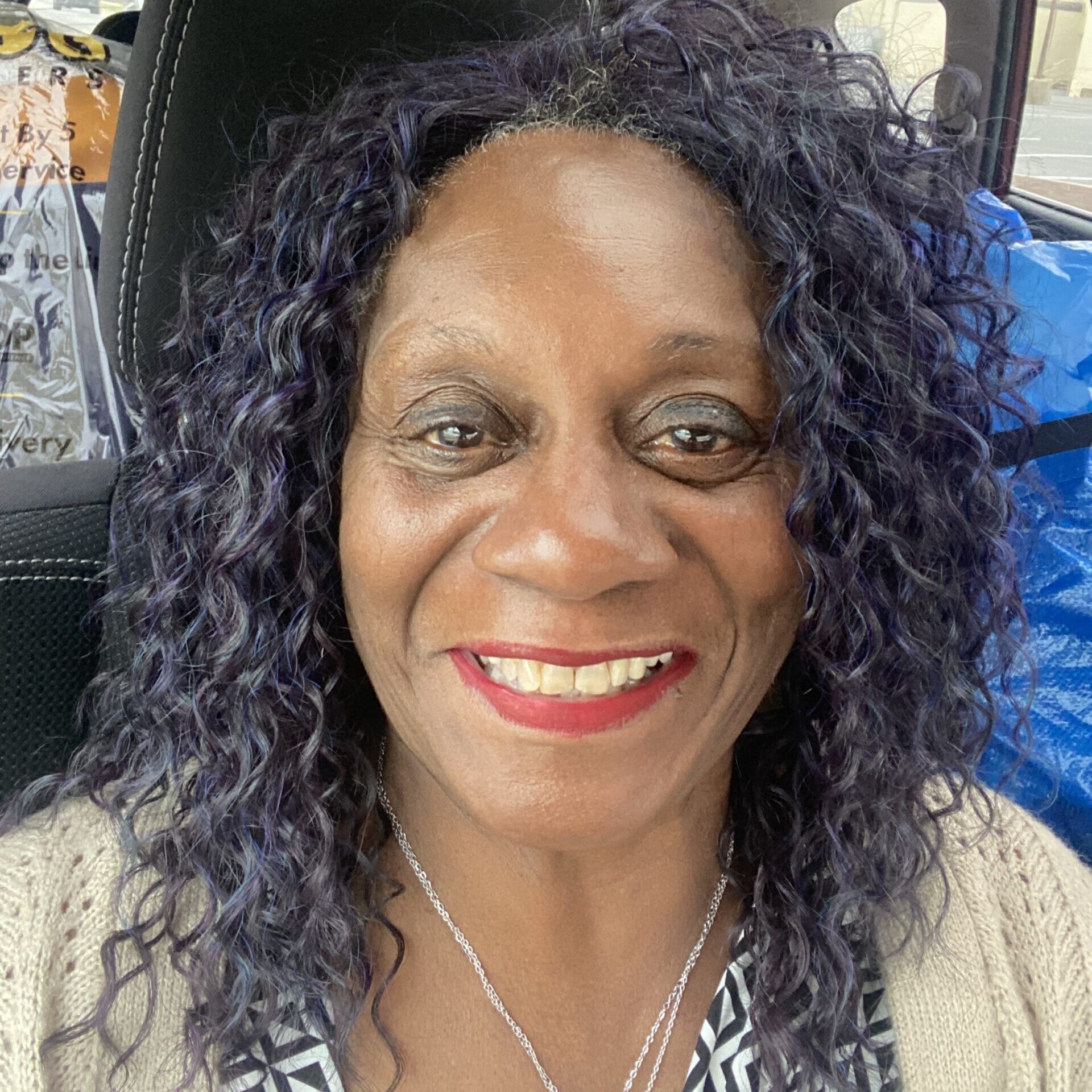
Doretha “Dee” Burrell was 50 years old when she heard the words that changed her life forever: “You have breast cancer.”
It was January 3, 2007. Dee, a mother, grandmother, and school Administrative Assistant in New Jersey, had just returned from a vacation in Cancun when she listened to a voicemail from her breast doctor urging her to come in immediately after an abnormal mammogram. She had been diligent about annual mammograms for years, always scheduling them during school breaks. This time, the results were different. She was diagnosed with an aggressive, HER2-positive form of breast cancer at stage two. What followed was three years of treatment including chemotherapy, radiation, and Herceptin infusions at Cooper Medical Hospital in Willingboro, NJ.
The treatment upended every corner of her life. On chemotherapy days, Dee would take time off work, never knowing how her body would respond. But on many days immediately after treatment, she pushed herself back to the office, finding that staying engaged helped her mentally. If a colleague nearby was coughing or showing signs of illness, she would stay home rather than risk exposure. She avoided grocery stores and movie theaters, worried that a simple cold could be dangerous while her immune system was compromised. When she did venture out, she wore a mask and timed her errands for the middle of the day when fewer people were around. A partner helped with grocery runs. Dining out, something she had always loved, became nearly impossible for years. The social rhythms of everyday life that most people take for granted were, for Dee, carefully calculated risks.
“Cancer and cancer treatment really does change your life and lifestyle for quite some time,” she said. “Cancer is a very emotional disease.”
As she fought for her own life, Dee lost her mother to cancer mid-treatment, a diagnosis no one in the family had known about. Dee’s oncologist gently warned her to be careful with her grief, knowing the emotional toll could affect her physical recovery. Getting through her mother’s funeral while still bandaged from treatment was one of the hardest things she has ever done. She channeled that grief into motivation, and it was at her mother’s service that she first found her voice as a public speaker, stepping up to the pulpit unexpectedly to speak in her mother’s honor. She has not stopped speaking up since.
Even with solid health insurance through her school employer, the cost of care was significant. Some treatments and prescriptions fell outside of what her plan would cover. It was only through joining a support group that she learned about patient advocacy organizations and co-pay assistance programs that could help fill the gaps. “I would not have had that information had I not taken the time to join a support group,” she said. She was one of the fortunate ones.
Others in her life were not so lucky. A close friend, a breast cancer survivor three times over, was told by her doctor she needed a specific treatment her insurance would not cover, and she could not afford out of pocket. Dee’s friend was left with no clear path forward and later sadly passed away. “That was my first experience honestly realizing that this is real,” Dee said. “I can’t imagine the number of others that are losing sleep every night trying to figure out what they’re going to do.”
Dee also witnessed a woman at a pharmacy counter face a $200-plus bill for a single prescription and walked away without it. She has spoken with women, particularly Black women, who are forced to choose between medication and rent, between treatment and putting food on the table. She sees it not as an isolated problem but as a systemic failure, one that falls hardest on those with the fewest resources and the least margin for error. “You have to make a choice. Am I going to do this or get my medicine? And that’s horrible that we’re having to experience that,” she said.
“Anything with health care here in the United States, that is one of the last things that we should be worried about or concerned about,” she added.
Dee is also a firm believer in the power of preventative care. She advocates for more funding for education, workshops and screenings that could catch cancers earlier and reduce the financial and human toll of late-stage diagnoses. She points to her own story as proof that regular mammograms save lives, and she urges others not to delay or skip care out of fear or cost. “If we can get funding for preventative care, then some of these cancers may possibly get caught a little sooner,” she said. “We’ve got to do some preventative work.”
Today, at 69, Dee is 19 years cancer-free. This summer, she is looking forward to standing alongside her daughter at her PhD graduation and watching her granddaughter cross the stage at UCLA, moments she prayed to live to see when she was first diagnosed. Her care now consists of annual mammograms and staying attuned to her body, scheduling appointments without hesitation whenever something feels off. She still thinks about cancer every day, but her focus has shifted outward. She mentors newly diagnosed patients through Imerman Angels, has spoken on panels in Singapore and Switzerland, and has shared her story before rooms full of oncologists and health care providers, urging them to slow down and truly listen to their patients.
“Why would I not share anything I can to help someone else?” she said. “Everything in my veins is all about anything related about cancer, supporting others, and sharing the stories. I just want to help people feel they’re not alone. Most importantly for me is sharing and receiving much love from my daughter and granddaughter. They are my ‘why’ for everything in my life. I am truly blessed as a soon-to-be 20 year breast cancer survivor and I do not take this lightly.”
Add your voice to help us continue to push for the best health and health care for all.
SHARE YOUR STORY