



While I have good insurance, I’m trying to take care of all of the tests and the screenings.

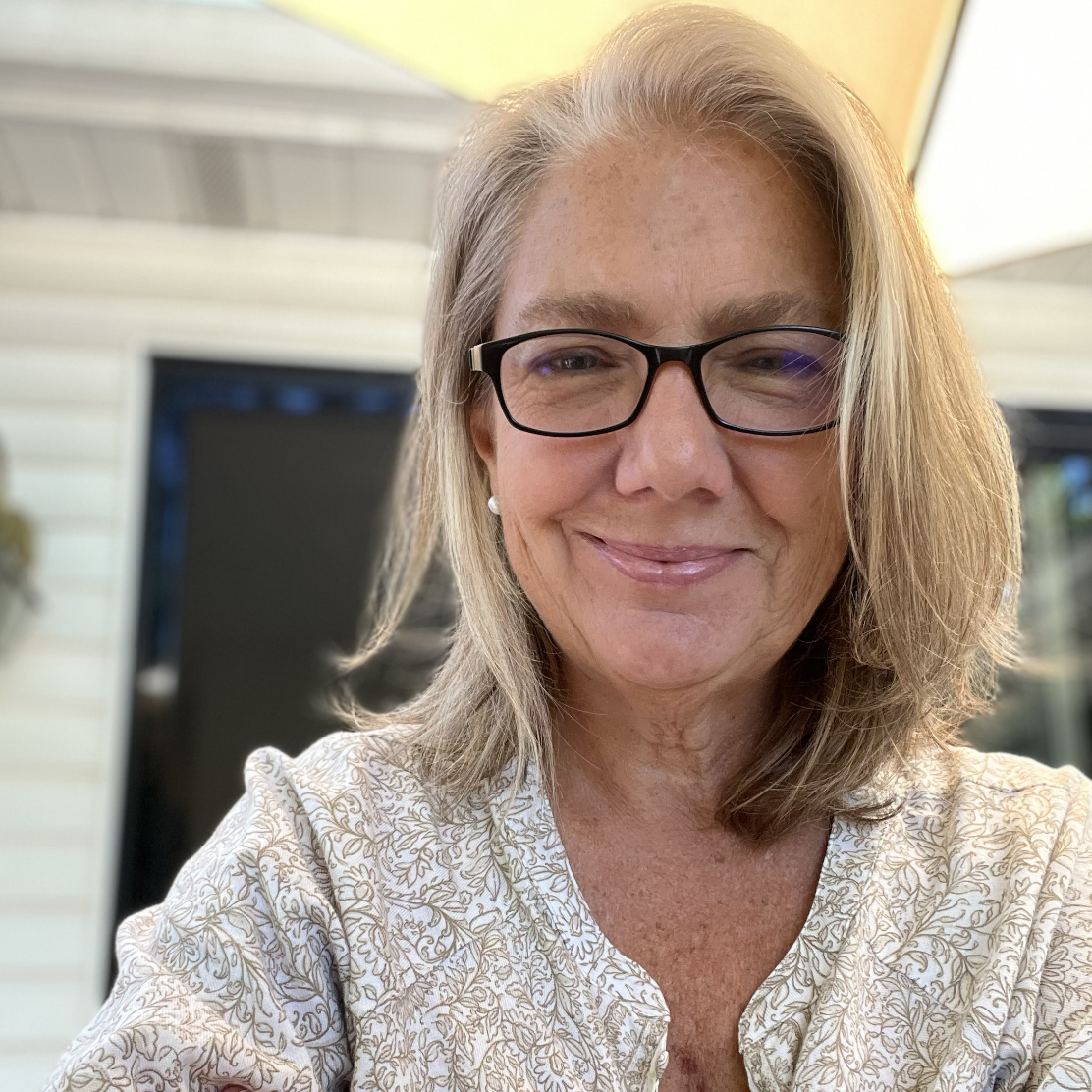
Colleen Tommins Leard, a 58-year-old living in Bethlehem, Pennsylvania, understands the health care system from both sides. She trained as a surgical technician and spent years working in the operating room. Today, she works as a consultant in educational settings, helping hospitals partner with schools and contributing to legislative efforts related to health care. But despite working in health care, Colleen still struggles with the rising cost of coverage.
Three years ago, Colleen began purchasing her own private insurance through the state marketplace after moving from New Jersey to Pennsylvania. Prior to that, she had been covered under a family plan, but following her divorce, she had to obtain individual coverage, and the cost quickly became a major financial burden.
When she first enrolled in an individual plan three years ago, she paid about $880 per month. The premium later increased to $1,200. Today, she pays nearly $1,600 per month for coverage. The monthly cost of her health insurance is now higher than her mortgage.
Even with coverage, the out-of-pocket costs for care add up. One of Colleen’s migraine medications costs nearly $300 per month after insurance. She searches for discounts to help lower the price. “I work those coupons,” she said. “But I know that unless you’re savvy, or you have an advocate, you don’t even know about those things.”
Because she currently has comprehensive coverage, Colleen is trying to take advantage of it while she can. “While I have good insurance, I’m trying to take care of all of the tests and the screenings,” she said.
Still, she worries about what the future holds. Her consulting work is contract based, and she knows she will not be able to maintain the same workload forever. “It definitely is a concern,” she said. Colleen says she would never choose to go without insurance entirely, but is worried about how comprehensive her coverage will be. “The quality of my insurance is only going to decline because I’m not going to be able to keep up the amount of work I’m currently doing.” Adding, “It’s not a terrible stressor, but it’s a worry for the future.”
Colleen also worries about how many people across the country who cannot afford to stay covered. “I feel very lucky to be able to afford insurance right now,” she said. “It makes me really sad for young families and elderly who might not be in the same position.”
Through both her professional work and personal experience, Colleen sees rising costs as part of a larger systemic problem. “It’s just this vicious cycle,” she said. “Somebody just has to reset the system.”
Add your voice to help us continue to push for the best health and health care for all.
SHARE YOUR STORY